


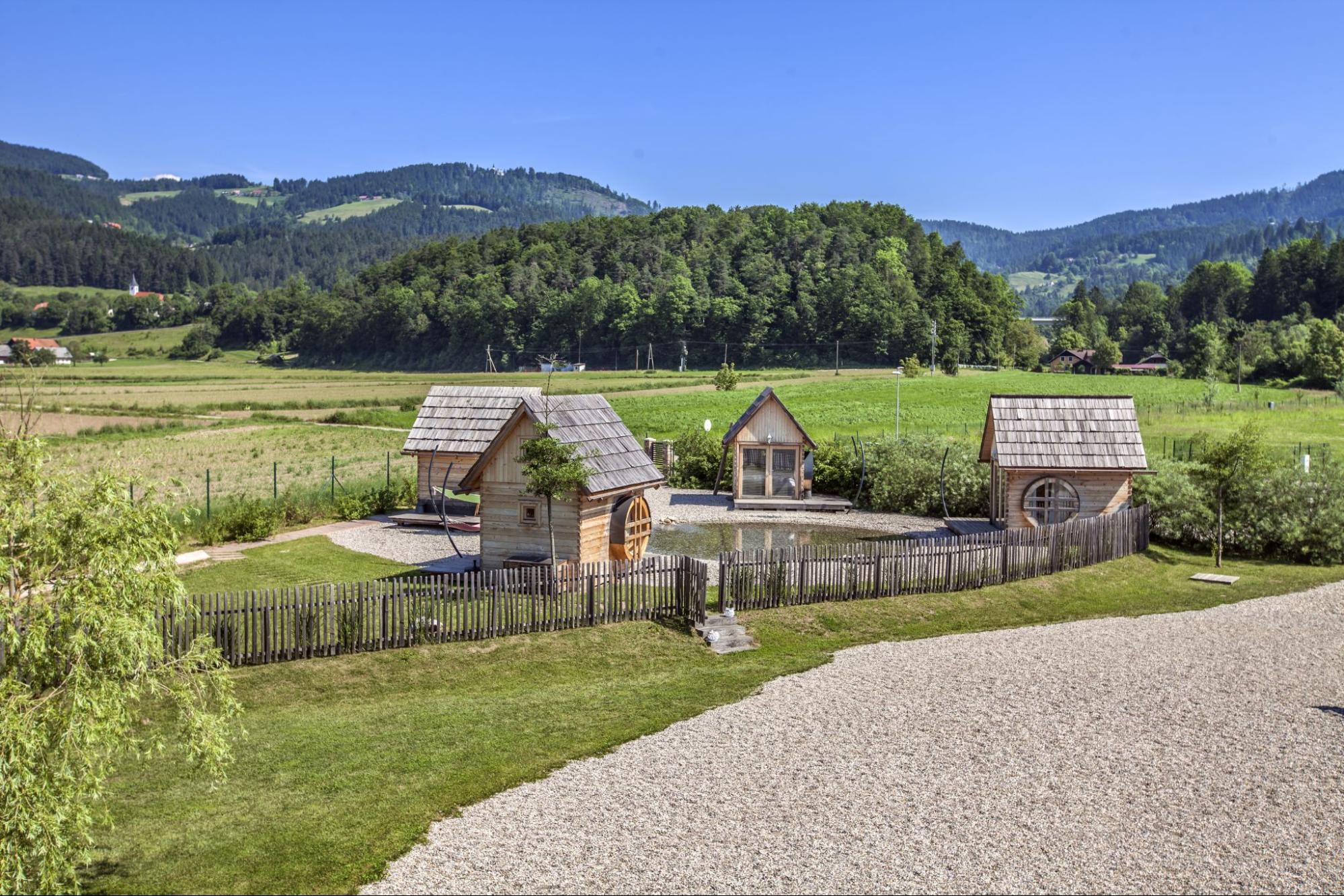
European farmhouses have an appeal that feels difficult to manufacture. Their weathered stone, muted colors, heavy timber, simple rooflines, and imperfect finishes suggest that the home has evolved over generations rather than arriving fully designed on day one. Recreating that character in a new home, however, does not mean accepting the maintenance demands of centuries-old materials.
The goal, then, is not to copy an old farmhouse material for material. It is to understand what gives the architecture its warmth and permanence, then achieve those qualities with products better suited to modern life.
Begin With the Architecture, Not the Decoration
A convincing farmhouse starts with proportion and restraint before finishes, fixtures, or furniture enter the picture.
When planning a new home, working with professionals who understand European farmhouse style can make it easier to translate traditional influences into a floor plan and exterior that still function for a contemporary household. The architecture should create the character first, while materials reinforce it.
That usually means avoiding an exterior overloaded with obvious "farmhouse" features. Instead, focus on a few recognizable characteristics: simple gabled roofs, substantial chimneys, deep-set windows, natural-looking masonry, understated trim, and an asymmetrical element or two that keeps the house from feeling overly polished.
A modern European farmhouse does not need to look old. It needs to feel grounded, well-proportioned, and connected to materials that could plausibly age with the building.
Recreate the Weight of Stone Without the Upkeep
Stone is one of the easiest ways to give a home an established European feel. Full-depth natural stone is beautiful, but its weight, labor requirements, installation complexity, and cost can make it impractical for some projects.
Modern stone veneer and well-made cast stone offer another route. They can introduce the irregular color, texture, and visual weight associated with traditional masonry without requiring an entire exterior to be built from structural stone.
Using substitute materials to reproduce the appearance of masonry is not a new idea. The National Park Service notes that builders were experimenting with materials that resembled natural stone as far back as the 18th century, with cast stone later becoming common for architectural details and building elements.
The key is selection. Avoid veneers where every piece appears nearly identical. Slight variation in size, tone, mortar joints, and placement makes a European farmhouse exterior feel much more believable.
Stone also tends to look more natural when it has an architectural reason to exist. Use it around a chimney, foundation, entry volume, garden wall, or one dominant section of the facade rather than applying small patches randomly across the house.
Trade High-Maintenance Wood for Smarter Alternatives
Weathered timber contributes enormously to farmhouse character, but exposed natural wood can demand regular staining, sealing, inspection, and repair depending on the climate.
Fortunately, not every wood-looking surface has to be wood
Fiber cement siding can provide the shadow lines and traditional proportions of painted lap siding while reducing many of the maintenance concerns associated with exposed timber. Composite trim can be useful around windows, fascia, and other areas prone to moisture. Quality wood-look products can also work for soffits and selected accent areas.
Real wood still has a place. In fact, using it selectively often makes it more effective.
A timber front door, porch beam, mantel, or sheltered ceiling can provide genuine grain and warmth without covering thousands of square feet of exterior surface. This approach reserves higher-maintenance materials for locations where people can actually see and touch them.
The result feels more intentional than using faux wood everywhere.
Choose a Quiet, Layered Exterior Palette
Traditional European farmhouses rarely depend on sharp contrast. Their colors tend to feel collected from the landscape: limestone, clay, chalk, aged timber, warm gray, faded cream, and soft brown.
That makes color one of the simplest ways to separate a European-inspired home from the bright-white-and-black interpretation of American farmhouse design.
Instead of pure white siding with stark black trim, consider warm off-white, limestone beige, mushroom, muted taupe, or light greige. Window frames can still be dark, but charcoal, aged bronze, or softer brown-black shades often sit more comfortably beside stone and timber.
Keep the number of exterior materials controlled as well. More variation does not automatically create more character. A restrained combination such as textured masonry, quiet siding, and one warm wood element usually feels richer than five competing finishes.
That restraint is especially important when designing a modern European farmhouse, where clean contemporary construction needs to coexist with old-world influence.
Use Metal Where It Makes Practical Sense
Metal roofing and accents can work beautifully with farmhouse architecture, particularly on porch roofs, dormers, bay windows, and secondary building volumes. Standing-seam metal brings a crisp line that contrasts well with rough stone and matte siding. It also avoids the need to manufacture age through decorative details.
You do not necessarily need a full metal roof. Combining a primary roofing material with carefully positioned metal sections can introduce the right visual reference while keeping the composition balanced. Gutters, downspouts, exterior lighting, and hardware offer smaller opportunities to repeat the same finish. Again, restraint matters. Matching every exterior component too perfectly can make the house feel more like a showroom than a home that developed naturally.
Let Texture Do More Than Ornament
European farmhouse character relies heavily on texture. When modern materials make surfaces cleaner and more consistent, the design needs other ways to restore depth.
Consider smooth or lightly textured stucco rather than heavily patterned finishes. Choose stone with natural variation. Use thicker trim profiles where the architecture calls for them. Set windows slightly deeper when construction allows so openings create shadow instead of appearing pasted onto the facade.
Even landscaping can soften newer construction. Gravel paths, informal planting, climbing greenery, stone edging, and less rigid garden layouts help connect a new building to the land around it. These choices are often more convincing than decorative shutters, oversized signs, or intentionally distressed accessories.
Keep Modern Performance Behind the Traditional Look
A historic appearance should not require historic building performance. Modern wall assemblies, high-performance windows, advanced insulation, drainage systems, flashing, ventilation, and moisture management can sit almost entirely out of sight. Homeowners can enjoy the visual qualities of traditional architecture while benefiting from contemporary construction standards.
This is where material decisions should be based on more than appearance alone. Before choosing an exterior product, consider how it performs in the home's climate. A material that works well in a dry environment may behave differently in an area with freeze-thaw cycles, heavy rainfall, strong sun, coastal air, or wildfire exposure.
Maintenance expectations matter too. "Low maintenance" does not mean "no maintenance." Every exterior still requires cleaning, inspection, and occasional repair. The advantage of modern materials is that those tasks can often happen less frequently and with fewer specialized treatments.
Bring the Same Approach Indoors
The exterior may establish the architectural identity, but consistency inside the home completes it.
European-inspired interiors often use plaster-like walls, natural stone, wide-plank flooring, simple cabinetry, aged-looking metals, and substantial wood elements. Modern versions can capture those qualities with engineered wood flooring, durable quartz or porcelain surfaces, performance fabrics, and easier-to-clean wall finishes.
Try not to make every surface rustic. A room feels more authentic when rough and refined materials sit next to one another. For example, an aged timber beam has more visual impact above clean cabinetry. A limestone-look fireplace feels stronger beside smooth plaster walls. A traditional oak table can sit comfortably beneath simple contemporary lighting.
Build for Character That Lasts
The best European-inspired homes do not depend on artificial aging. Their character comes from good proportions, tactile materials, restrained colors, and details that feel useful rather than decorative.
Modern construction gives homeowners more freedom to achieve that look without signing up for constant upkeep. Manufactured stone can provide masonry character. Fiber cement and composite products can replace vulnerable exterior wood in selected areas. Durable roofing, efficient windows, and contemporary wall systems can improve performance while remaining visually quiet. A successful European farmhouse exterior should therefore feel traditional without being trapped by tradition.
When old-world design principles and modern materials are used together thoughtfully, the result can offer the warmth and permanence people associate with a countryside farmhouse while still functioning like a home built for today.
Final Thoughts
Creating a European farmhouse aesthetic today is less about copying historic homes and more about capturing their warmth, simplicity, and material depth. By pairing stone-inspired finishes, fiber cement, composite details, durable roofing, and restrained colors with strong architectural proportions, you can achieve an old-world look without excessive upkeep.
The most successful homes balance authenticity with performance, using real natural materials selectively while relying on modern alternatives where durability, efficiency, and easier maintenance matter most over time.
FAQs
1. What materials work best for a low-maintenance EUROPEAN FARMHOUSE EXTERIOR?
Fiber cement siding, manufactured stone veneer, composite trim, metal roofing, and high-quality stucco are strong choices. They can recreate traditional European textures while generally requiring less upkeep than exposed wood or full-depth natural stone.
2. What colors are commonly used in MODERN EUROPEAN FARMHOUSE design?
Warm whites, cream, limestone beige, taupe, greige, muted gray, natural wood tones, and aged bronze work particularly well. Softer, earthy colors usually create a more authentic European farmhouse appearance than high-contrast black-and-white palettes.
3. How is a European farmhouse different from a modern farmhouse?
European farmhouse design typically emphasizes old-world stonework, textured finishes, natural materials, muted colors, and understated architectural details. Modern American farmhouse design often uses cleaner lines, white siding, black windows, and stronger contrast. A modern European farmhouse blends traditional European character with contemporary comfort and building performance.