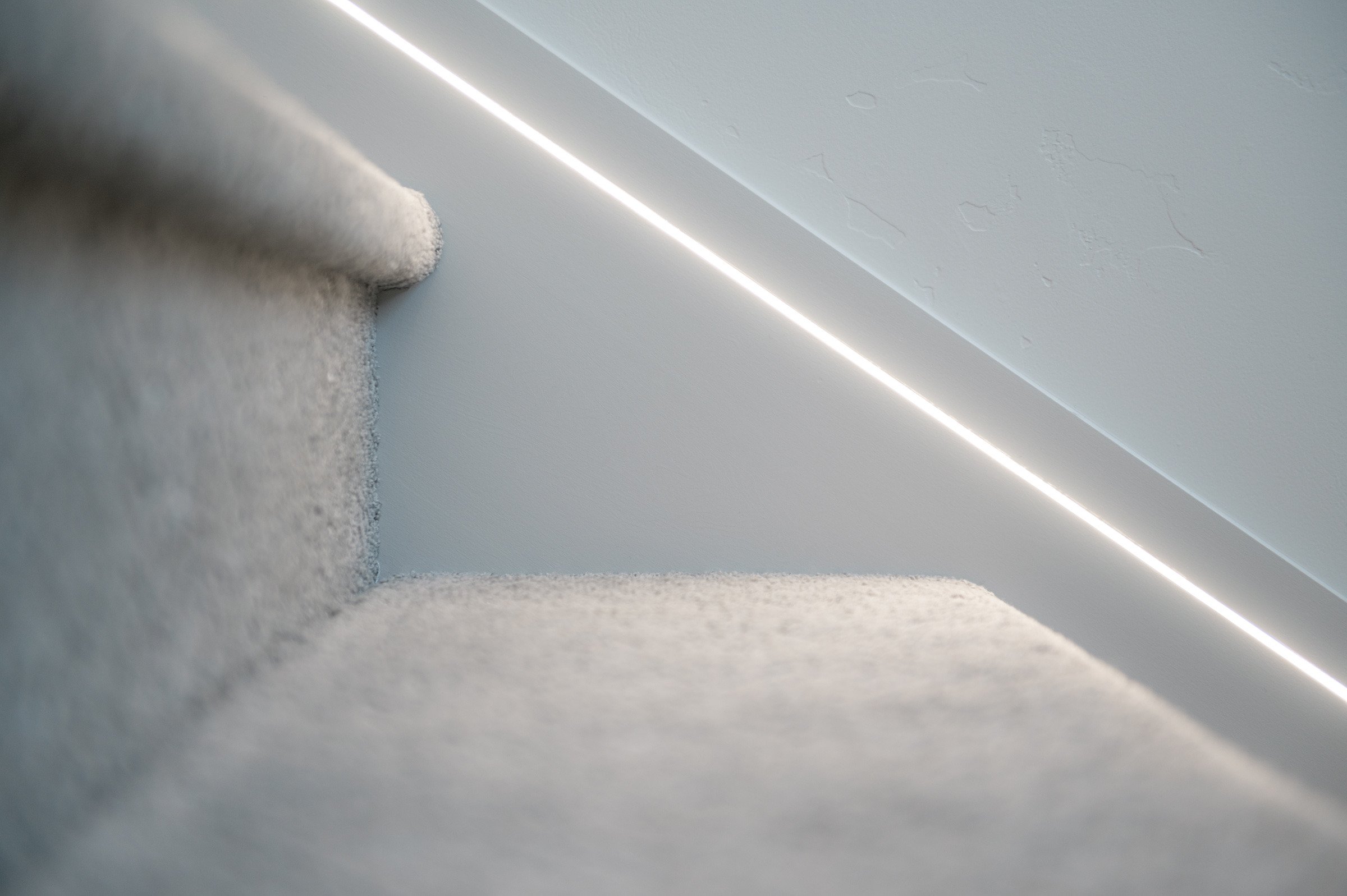


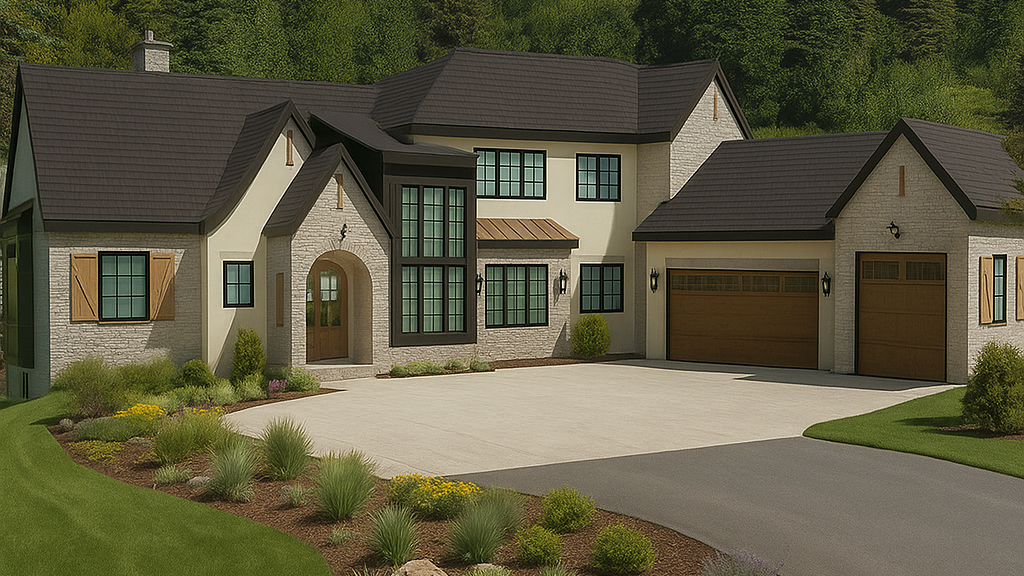
Have you ever walked through an older home or an old European village and wondered why it feels so different from what’s being built today? It’s not because those homes were flawless. They weren’t. It’s because they were layered. They weren’t afraid of detail. Every arch, trim profile, and material choice added up to something cohesive. Something human. Something that many modern homes strip away in the name of efficiency or cost savings. What’s missing isn’t a single feature... It’s character.
And the collective home design world is ready for it to come back!
Design Burnout and the Shift Back to Character
Over the past few years, interest in home and interior design has exploded. Social media has amplified it, accelerating trends at a pace we’ve never seen before. Unfortunately, it has also revived and multiplied some of the worst habits of early-2000s HGTV. Cheap design hacks. Ten-second trends. What used to cycle every decade now comes and goes in months.
The result is design burnout.
Homeowners are overwhelmed by fast-moving trends, “designer” takes that look good for a week on Instagram, and AI-generated images that mash together styles with no real cohesion. The end result is confusion, regret, and homes that feel disconnected rather than intentional. That fatigue is driving one of the clearest design shifts we’ve seen in years.
In 2026, home design is moving back toward character. Not gaudy. Not excessive. Real character rooted in thoughtful design, proportion, and materials that age well.
Smaller, Cozier, and More Intentional
In the custom home world, we’re seeing fewer requests for large, empty-feeling homes and more demand for spaces that feel cozy, warm, and grounded. The focus is shifting away from square footage and toward how a home actually lives and feels.
These homes aren’t maximalist or overly decorated. They are layered, detailed, and cohesive. Every element has a reason for being there. The character comes from materials, craftsmanship, and well-thought-out details rather than surface-level trendiness.
Think less “modern farmhouse” and more livable European influence.
French Country cottages, English Tudor homes, and other old-world European styles are influencing modern design again. But this isn’t a copy-and-paste approach. It’s a modern interpretation that blends classic architectural elements with cleaner layouts, better performance, and modern living standards.
What Character-Driven Design Looks Like in 2026
This shift shows up in dozens of small decisions rather than one big statement. When those decisions are layered thoughtfully, the difference is unmistakable.
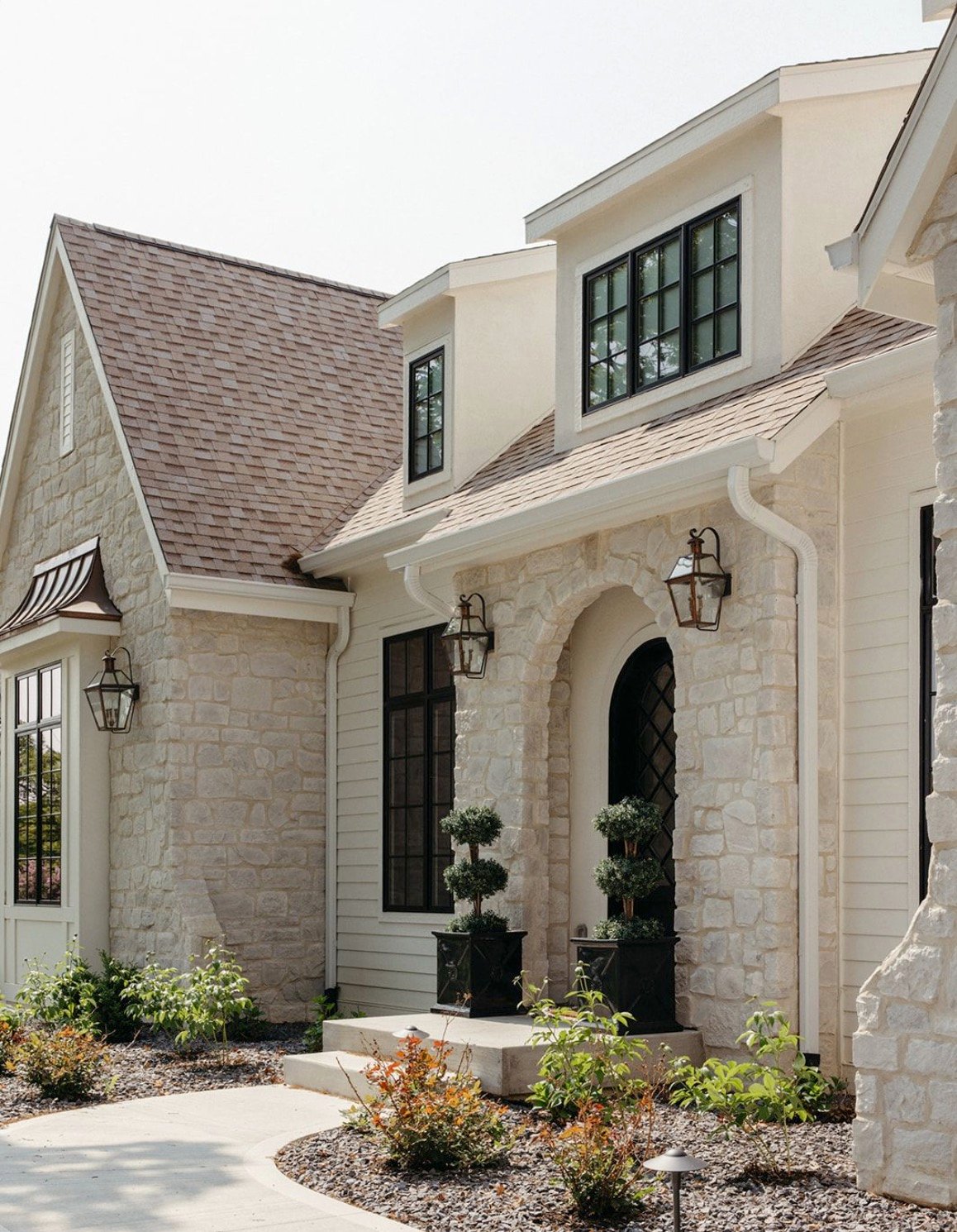
On the exterior, homes are moving away from cheap faux-stone wainscoting and thin decorative accents. Instead, we’re seeing full-height stone facades paired with plaster-style stucco and weathered wood details that create a true old-world feel. Window selections are changing as well. White vinyl is giving way to darker, divided-light windows that add depth and proportion. Roofing is following suit, with slate-look shingles and other textured materials replacing flat, standard asphalt roofs. When these elements come together, the exterior feels grounded, substantial, and intentionally designed rather than styled.
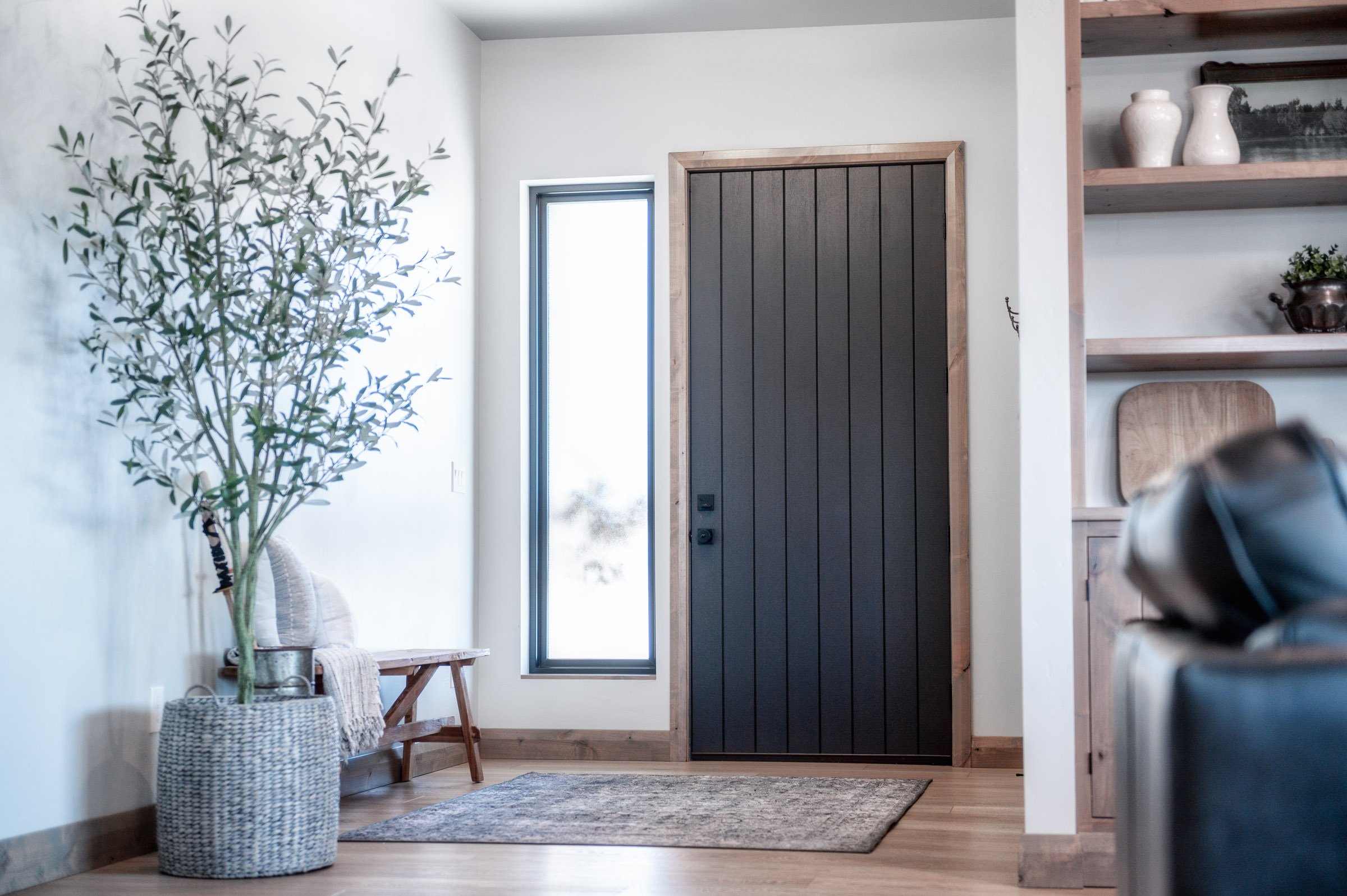
Interior materials are becoming more natural, tactile, and honest. Rough stone floors, unfinished brick, plaster walls, and hand-formed tile replace high-gloss, perfectly uniform surfaces. Imperfection is part of the appeal. Mass-produced materials are being replaced by hand-made ones, or at least materials that look and feel that way, like zellige tile and sand-cast iron.
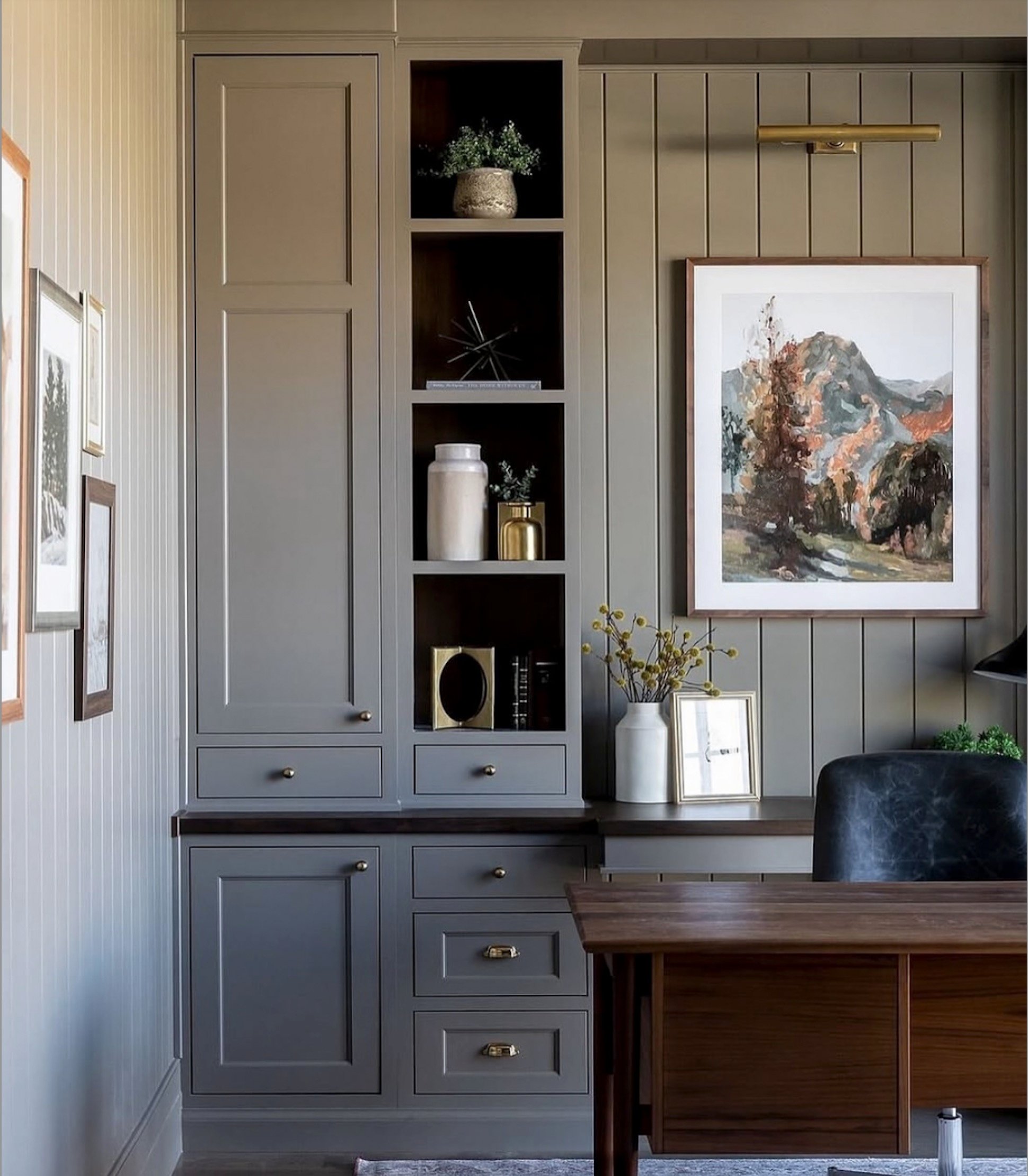
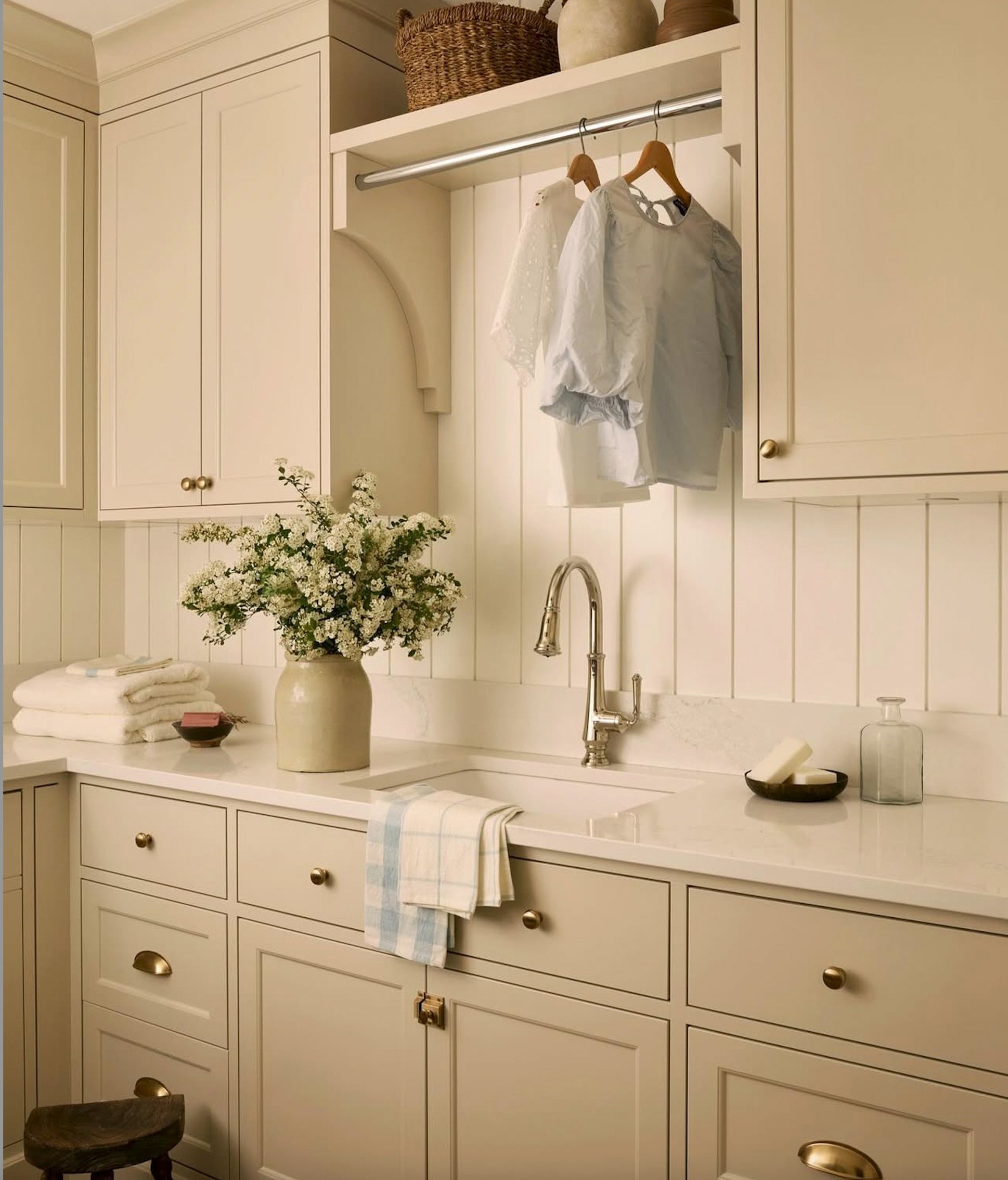
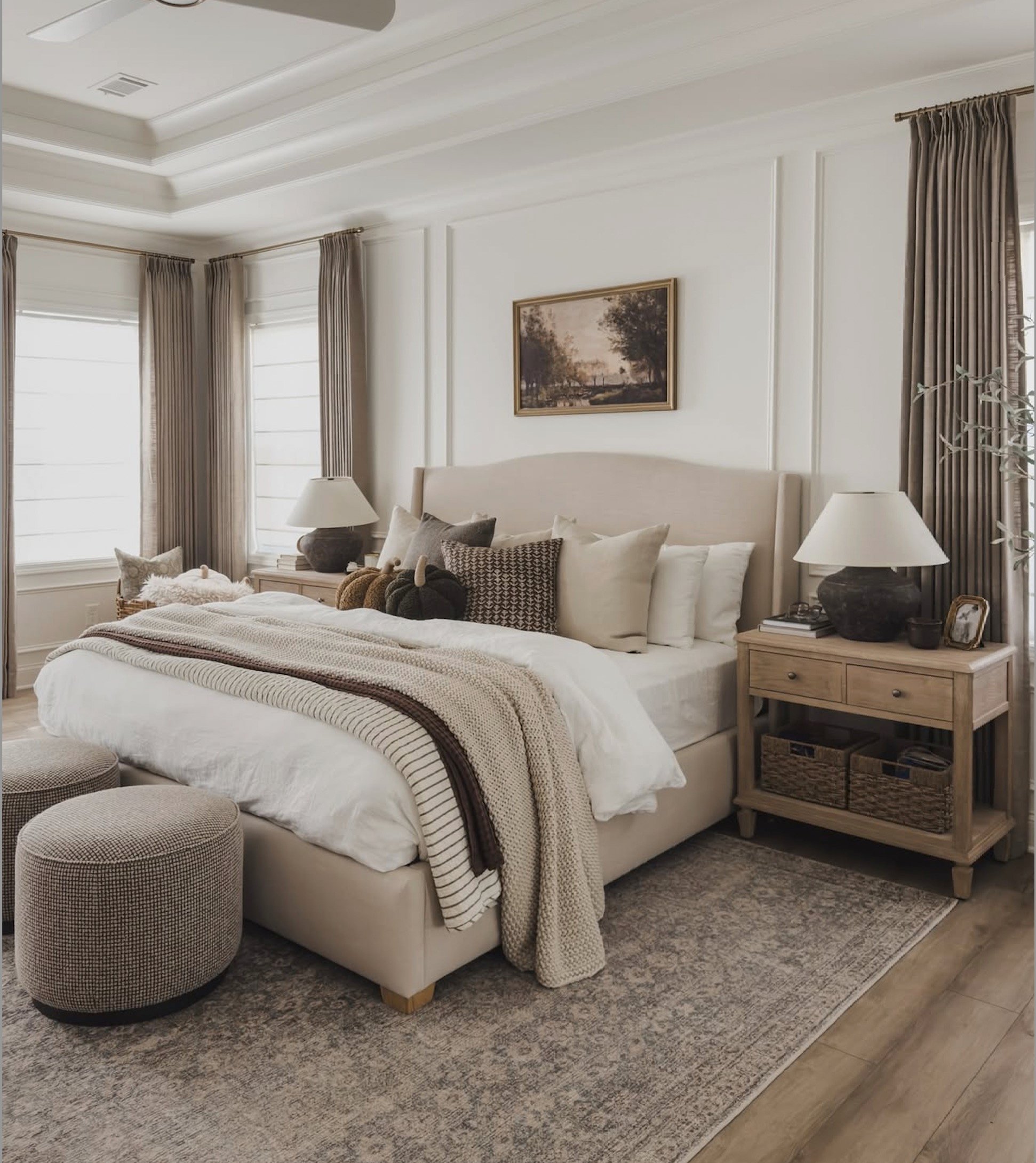
Color is warmer and deeper. Stark whites and cool grays are fading out. Designers are leaning into warm neutrals, desaturated hues, and rich earth tones that create depth without feeling heavy. Color drenching is becoming more popular, with walls, trim, and cabinetry sharing a single tone to create mood and cohesion rather than contrast.
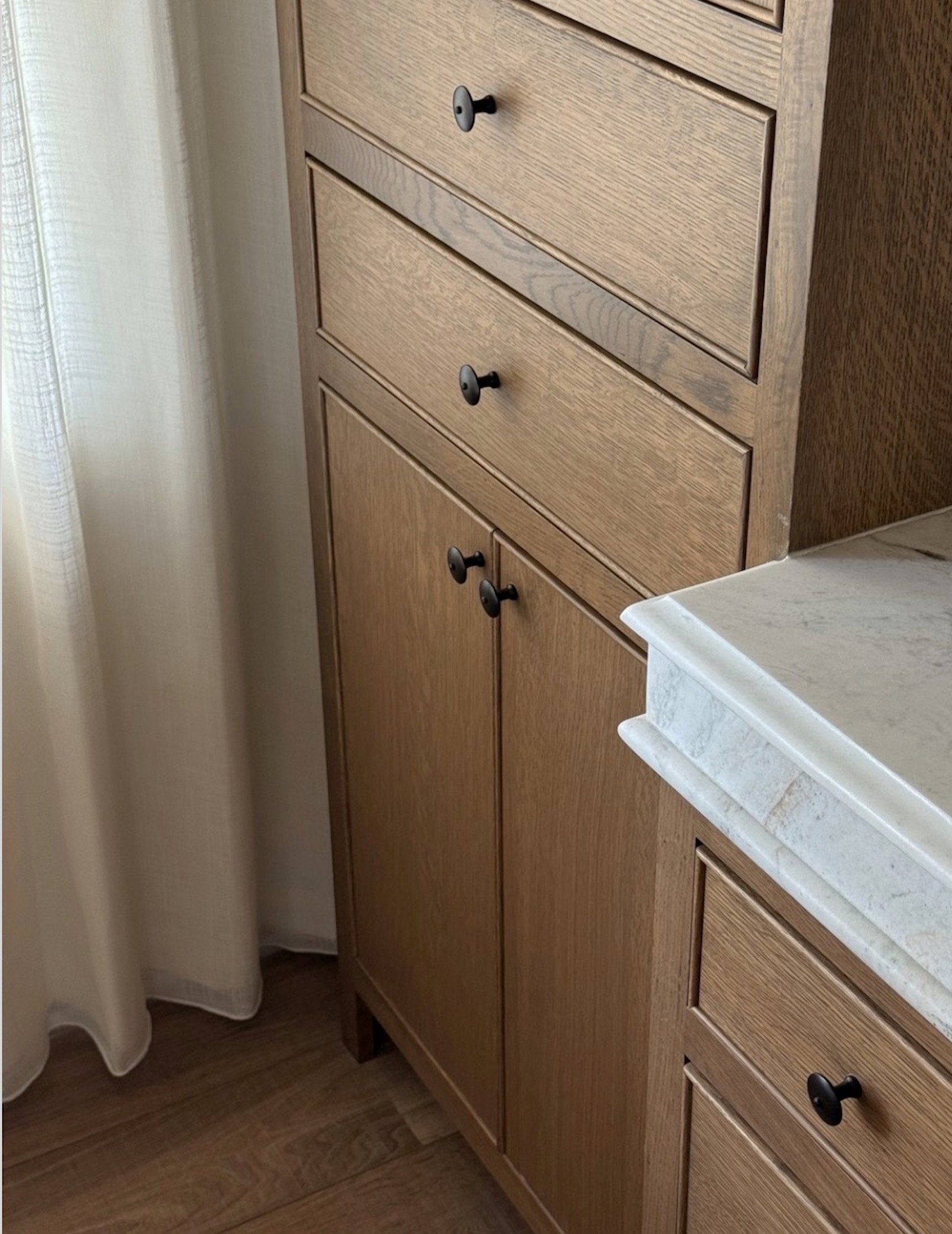
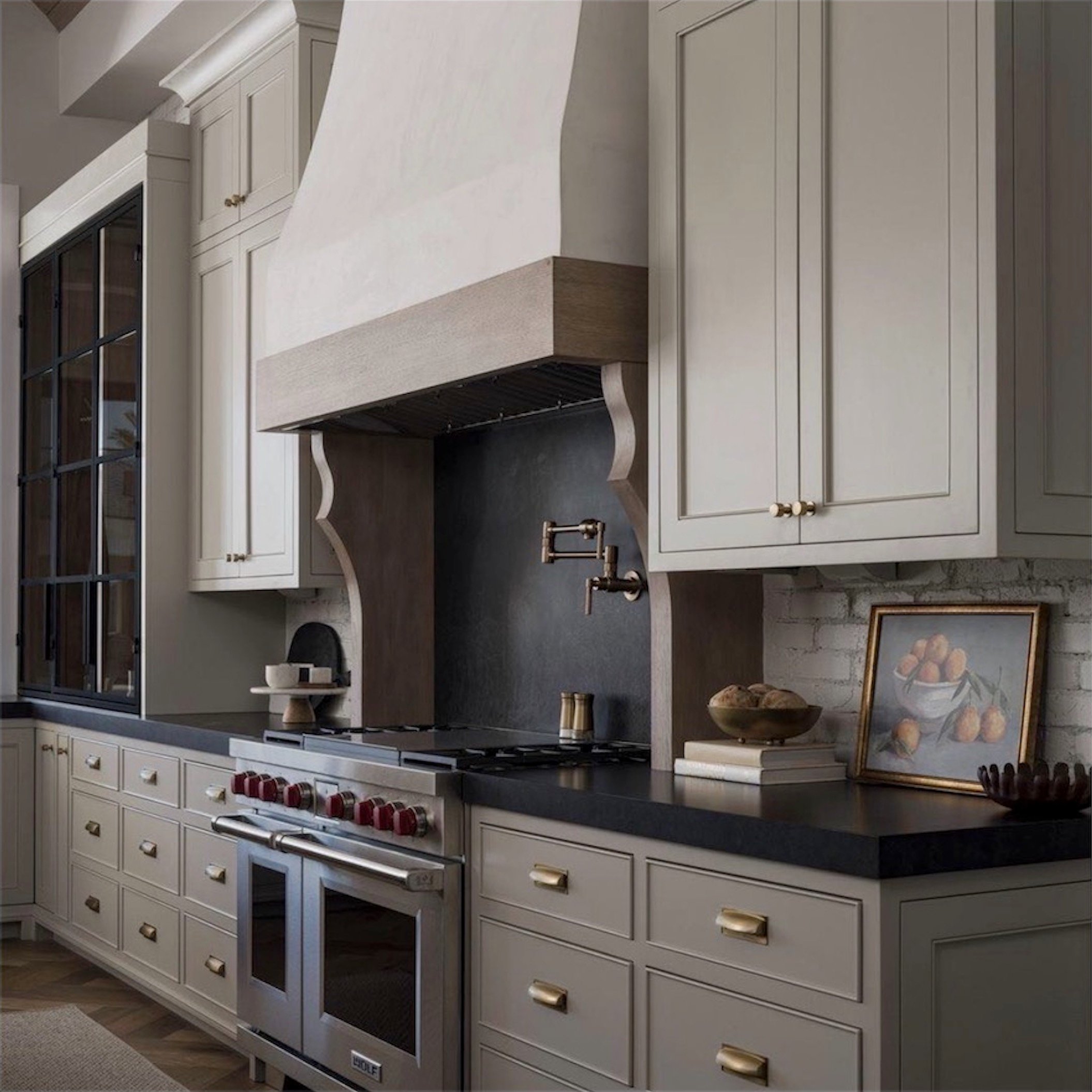
Cabinetry and wood selections feel richer and more substantial. White oak and walnut remain dominant, but the finish is shifting. Quarter-sawn grain, deeper stains, and warm brown tones are replacing pale, washed-out looks. Inset cabinets are gaining popularity for their furniture-like quality and timeless feel.
Kitchen design is getting quieter and more refined. Islands are starting to look like standalone furniture pieces rather than oversized boxes with waterfall countertops. Minimal or no decorative pendant lighting over islands is becoming more common, replaced by thoughtful ambient and task lighting. Floating shelves are giving way to built-in shelving units that feel permanent, bespoke, and architectural.
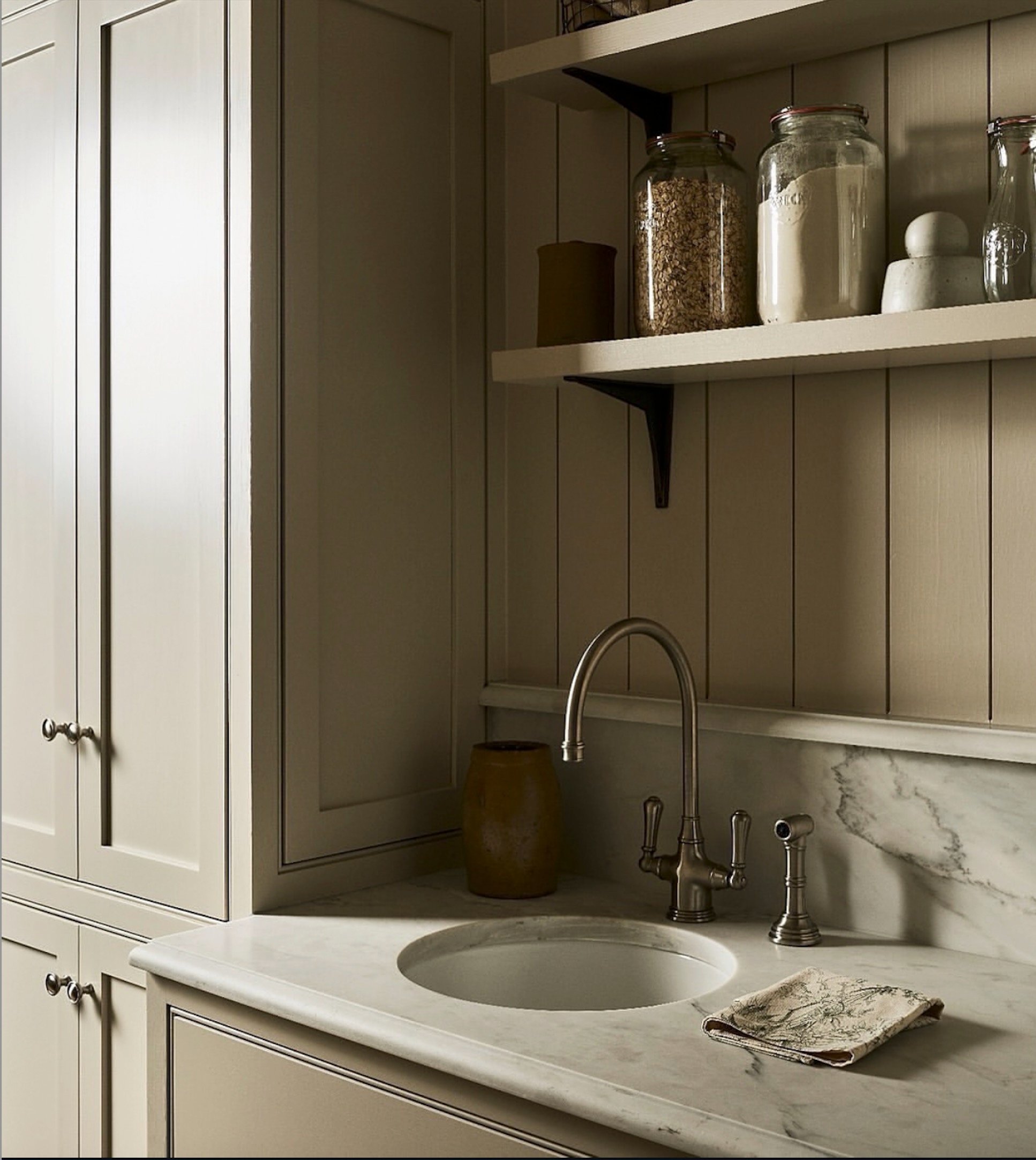
Countertops are changing as well. The era of fake, high-contrast veining is fading fast. Honed or leathered quartzite, marble, and granite are coming back into favor, with darker, richer slabs leading the way. These materials develop character over time rather than trying to look perfect forever.
Lighting is being treated as a design element again, not just a utility. Endless rows of recessed can lights are being scaled back in favor of layered lighting plans. Semi-flush fixtures, sconces, and accent lighting are used to create atmosphere instead of flooding every room with light. The goal is mood, not maximum brightness.
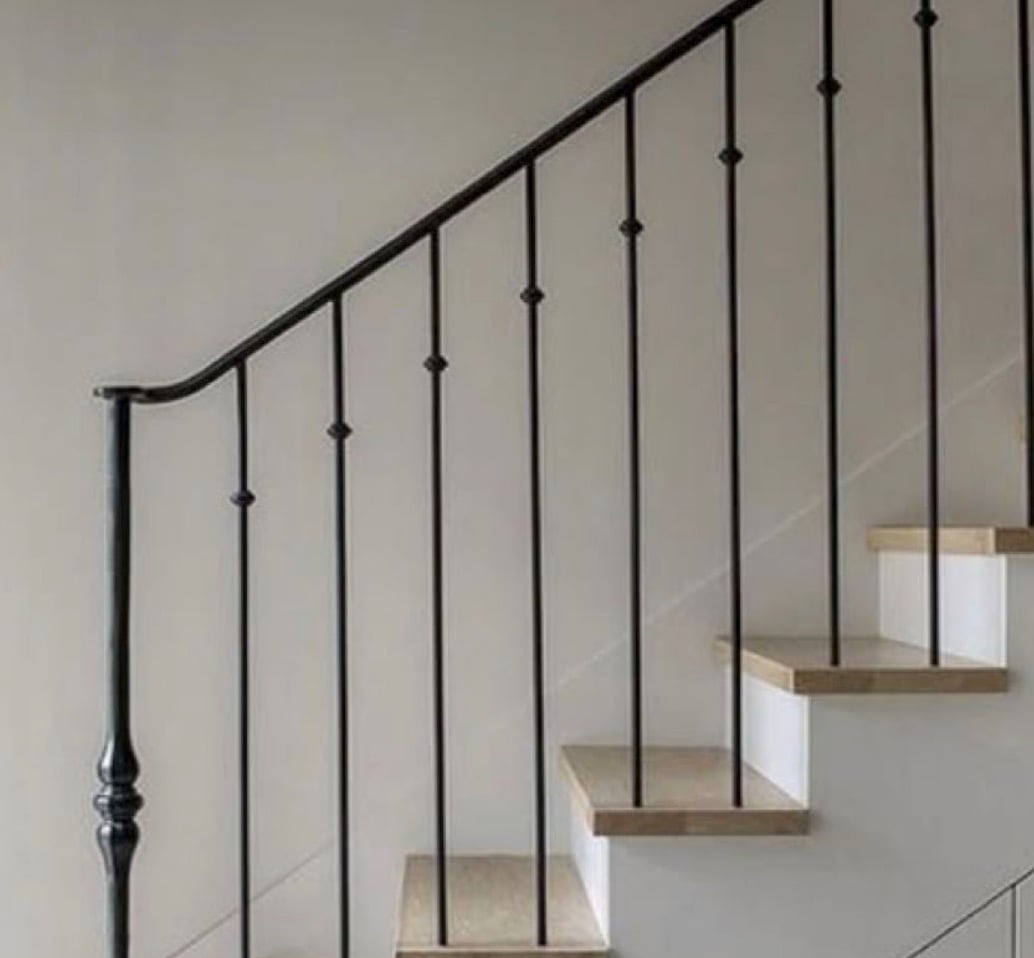
Details matter more than ever. Arched openings, doors, and windows add softness and a sense of romance. Trim work creates visual rhythm throughout the home and is more detailed without becoming fussy. Large wall expanses are broken up with paneling or woodwork. Metal finishes are evolving too. Brass still has a place, but polished nickel is gaining ground. Sand-cast or hand-hammered iron is showing up in railings, door hardware, and fixtures for a heavier, more handcrafted feel.
Why This Shift Matters
This return to character is a response to decades of mass-produced homes and social-media-driven design regret. Homeowners are tired of chasing trends and ending up with homes that feel dated before the paint dries. In 2026, good design is less about what’s popular and more about what will still feel right ten or twenty years from now.
Timeless design doesn’t mean boring or plain. It means thoughtful. It means understanding proportion, materiality, and how a space is actually used. Homes designed this way tend to age gracefully, photograph well without trying, and feel better to live in over time.
Character is no longer optional. It’s the point!
If you are planning a custom build, understanding these home design concepts early can shape everything that follows. The right design decisions, made upfront, create homes that age beautifully and feel right for decades. If you’re curious how character-driven design could translate to your project, a simple conversation is often the best place to start. Contact us here… we’d love to talk.